

Use Case: Emergency Department Team Tests Workflow and Improves Patient-Care Efficiency
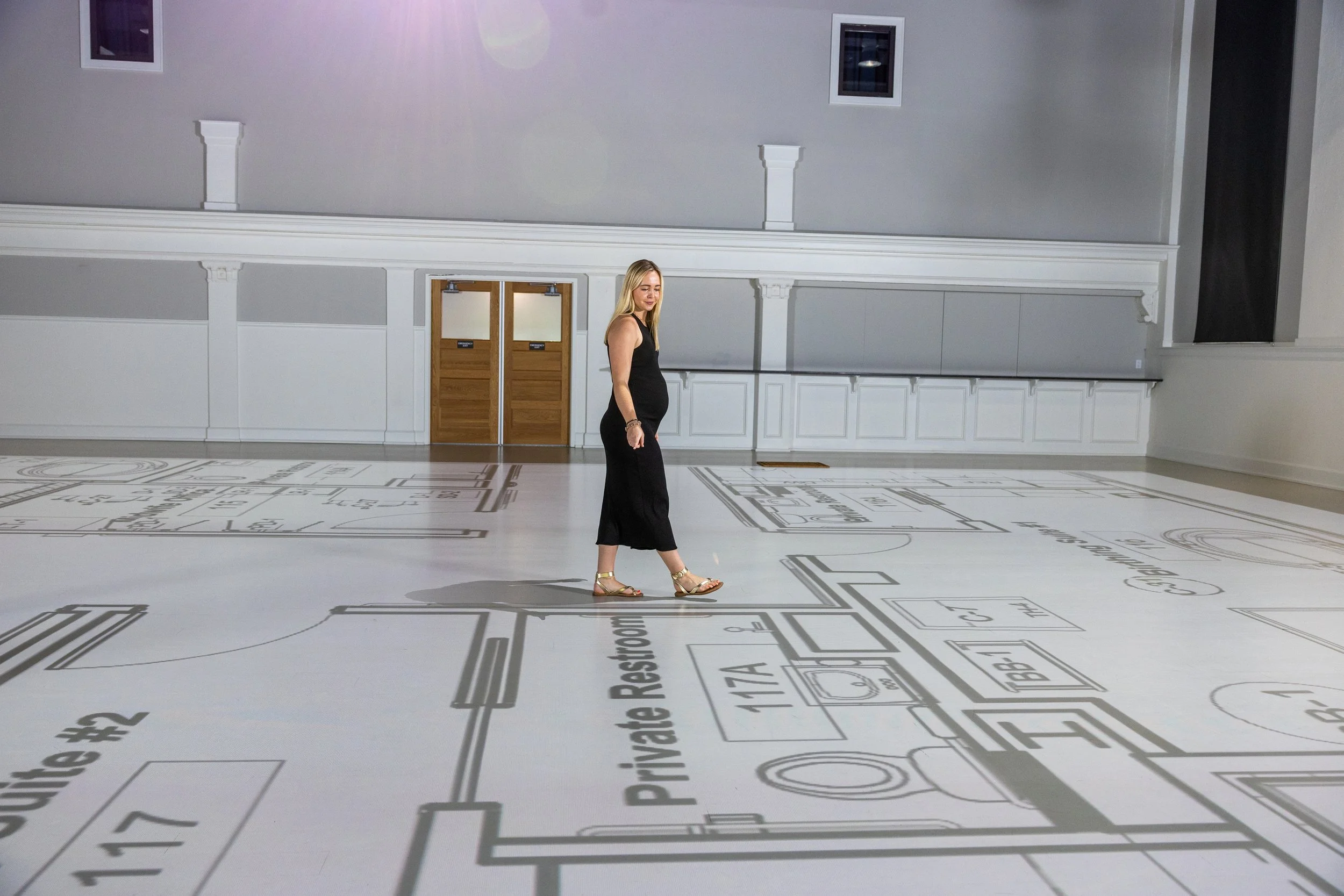
An architecture group designing a new Emergency Department booked a full-day walkthrough to pressure-test the layout before construction. They brought in the people who would actually use the space (nurses and doctors) rotating them through in shifts so each group could focus on what mattered most in their day-to-day work.
Walking the plans full-scale gave everyone a clearer view than any drawing ever could. During the session, the nursing team literally timed how long it took to move from the nurse station to a patient room. In a hospital setting, seconds matter. The walkthrough revealed where travel paths were too long, where equipment placement didn’t support urgent movement, and where small inefficiencies could snowball over thousands of patient encounters.
Doctors approached the space from a workflow standpoint: triage flow, visibility lines, team communication. Nurses zeroed in on the essentials that often get overlooked on paper: electrical outlets, supply access, bed clearance, and the ergonomics of repetitive tasks. Having both perspectives in the room led to changes that balanced clinical efficiency with practical functionality.
While it’s impossible to put a precise dollar figure on the savings, the value was undeniable. Catching these issues early means fewer change orders, smoother operations, and a department that supports staff instead of slowing them down. The real win is that the final design now reflects how care actually happens, not just how it’s drawn.
