

Case Study: Catching Design Issues After Framing — Before They Became Client Problems
The Situation
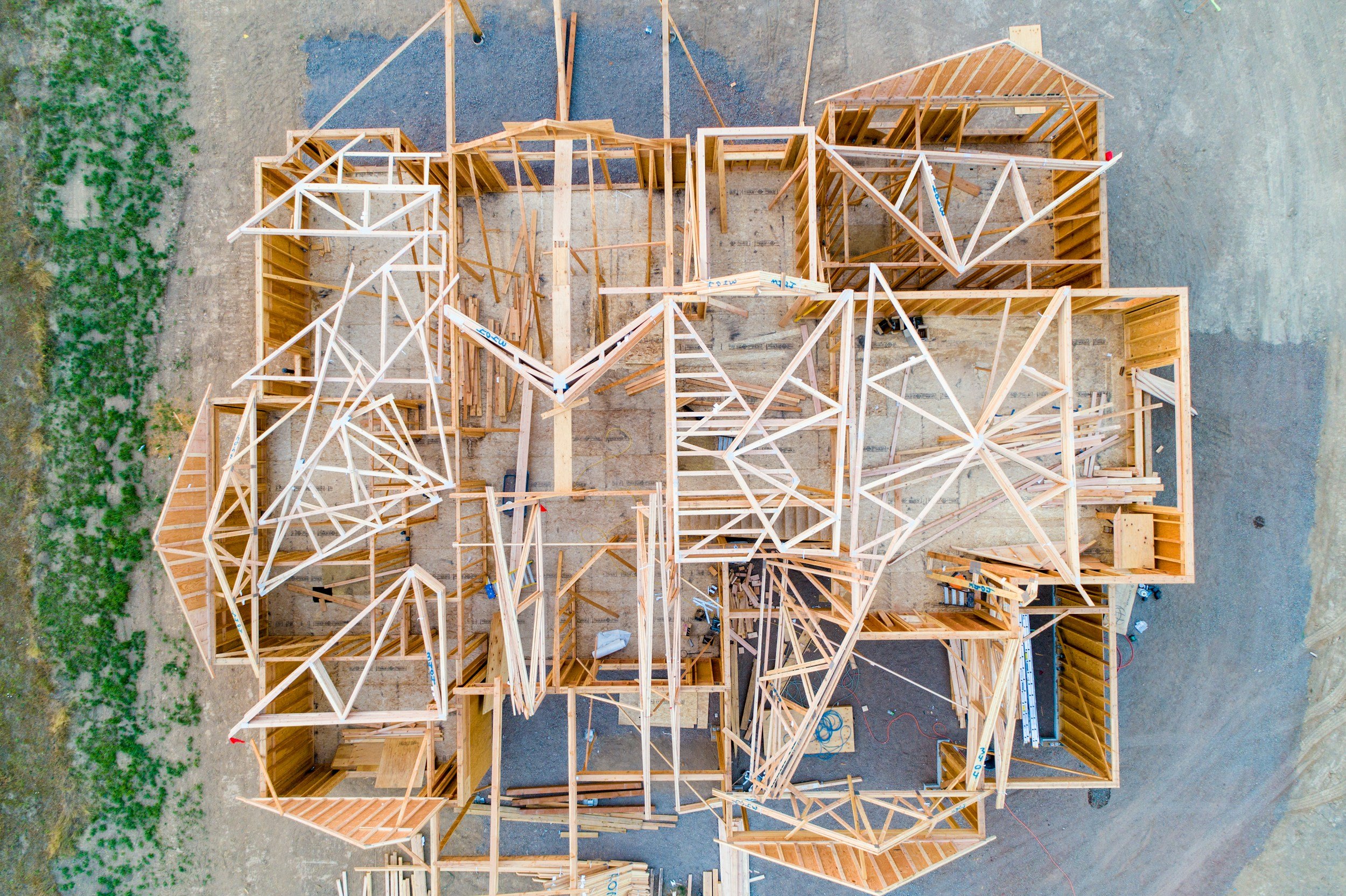
A design-build team came into Walk Your Plans for a demo to check us out and see what we’re all about. They sent in plans to walk for a client’s house that was actively being built. Framing was up at the jobsite and they have walked the site prior to walking the plans in our studio. They didn’t expect to find anything that needed adjusting..
They did.
The Walkthrough
We projected their plans at full scale and walked them together in the studio. Unlike the jobsite, the studio allowed the team to experience how windows, doors, walls, and storage systems interact, not just where framing exists.
Within minutes, multiple issues surfaced. Not theoretical problems but real, fixable ones.
One stood out immediately.
The Issue
A window placed in a bedroom closet looked fine on drawings and had already been framed in the field. However, when viewed at life-size:
The window directly interfered with the planned closet organizers
Storage capacity was significantly compromised
Removing the window wasn’t an option, as it was critical to the front façade of the home
This was the kind of issue that typically doesn’t get addressed until after move-in… when frustration (and expensive rework) starts.
The Solution
Because the team caught this now during framing, not after finishes. Now that the plans were right under their feet, the solution became clear:
Shift the closet door location
Reverse the wall the closet shelving was mounted on
No structural changes. No exterior impact. No blown budgets. A small adjustment now that would have been far more costly, and contentious, later.
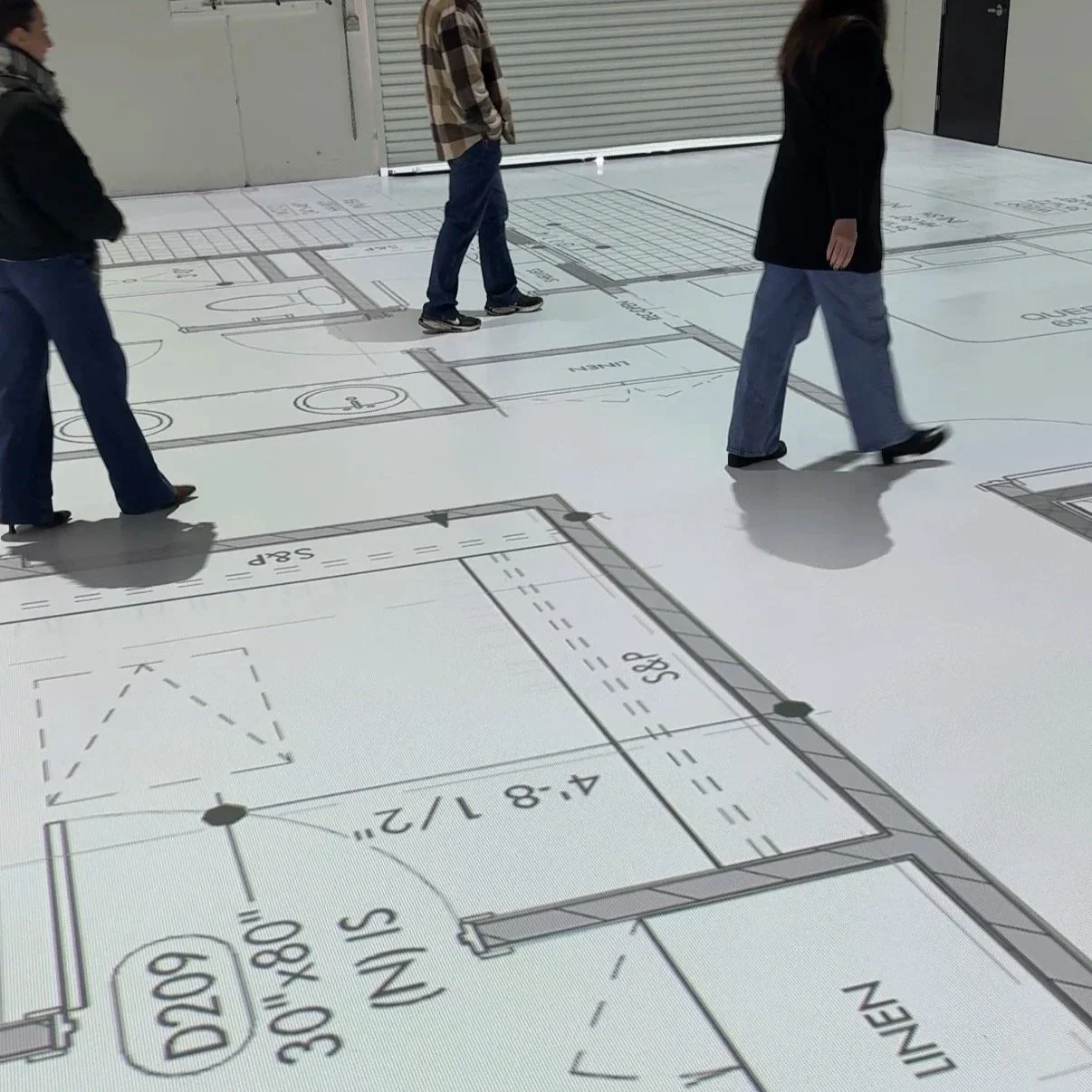
For this design-build team, walking house plans at full scale made mistakes more apparant, but also the solutions became clear.
Why the Studio Matters
Walking a jobsite and walking plans in the studio are not the same thing.
On site, you see framing. In the studio, you see function.
At Walk Your Plans, teams can:
Understand how furniture, fixtures, windows, and doors work together
Test real-world storage, circulation, and usability
Identify conflicts that drawings and framed walls simply don’t reveal
Once finishes go in, these conversations get expensive, or don’t happen at all.
The Takeaway
Even when construction has started, it’s not too late to catch issues that impact client satisfaction. This design-build team didn’t walk away discouraged, they were energized. Finding problems before their client did was a win. The cheapest time to fix a mistake is before it’s finished. Our studio gives teams a second chance to get it right, when it still matters.